Candidate Experience Automation: Chatbots, Real-Time Matching & Engagement

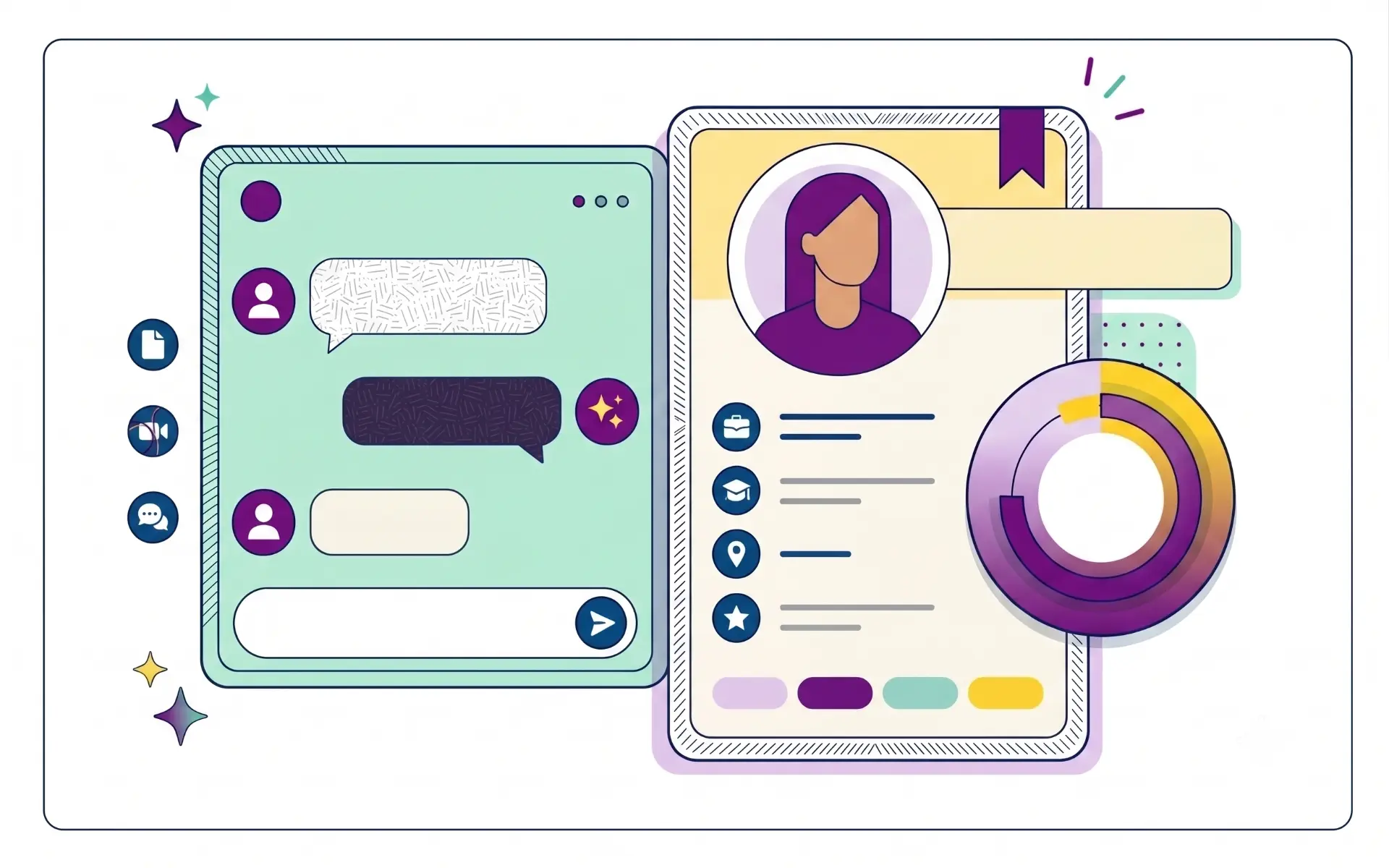
The hiring landscape is evolving fast, and candidate expectations are rising right along with it. People now expect speed, transparency, and personalization at every step of the process — and that's exactly what candidate experience automation delivers. With AI-driven tools, chatbots, and automated engagement workflows, companies can finally offer a consumer-grade experience at scale, without burying recruiters in repetitive work.
Where top candidates can disappear within days and instant communication is the baseline expectation, automation isn't a nice-to-have anymore — it's the foundation of a winning employer brand.
Why Candidate Experience Matters More Than Ever
Recruitment used to be employer-led. Today, candidates hold much more of the leverage — especially in competitive fields like tech, BFSI, healthcare, and other digital-first industries.
A poor candidate experience costs more than a handful of lost applicants:
- 63% of candidates say they turn down offers because of poor communication.
- 77% expect real-time updates throughout the hiring process.
- 69% of job seekers won't reapply after one bad experience — and plenty will talk about it publicly.
Candidates increasingly measure hiring journeys against Amazon's delivery speed, Netflix's personalization, and WhatsApp's instant replies. That's the bar automation needs to clear.
What Candidate Experience Automation Actually Means
At its core, candidate experience automation uses AI, chatbots, and intelligent workflows to improve the entire applicant journey — from the moment someone sees a job posting to the day they accept an offer. That typically includes:
- Automated screening and real-time matching
- Chatbots for FAQs and first-level queries
- Automated interview scheduling
- Personalized status updates
- Intelligent nudges for incomplete applications
- Pre-onboarding engagement and documentation
The goal isn't to remove human recruiters from the loop — it's to free them from repetitive tasks so they can spend their time on relationship-building and decision-making.
Chatbots: The Frontline of Modern Candidate Experience
For most candidates, an AI-powered chatbot is their first interaction with a company — and it sets the tone for everything that follows.
24/7 instant support. Most people job-search at night or on weekends, when recruiters aren't available. Chatbots are.
Real-time FAQs. Chatbots can field 60–80% of routine questions — resume status, next steps, timelines, required skills — removing a common source of drop-off.
Collecting missing information. Instead of a rejected or stalled application, a chatbot can prompt candidates to upload a document or schedule an assessment on the spot.
Conversational screening. Rather than a long static form, a chatbot can simply ask "How many years of Java experience do you have?" or "What's your notice period?" — faster and friendlier for everyone involved.
Real-Time Matching: The Engine Behind Faster, Fairer Hiring
The most powerful form of candidate experience automation is real-time matching, where AI evaluates a candidate's fit the moment they apply — based on skills, experience, and career trajectory rather than keyword overlap alone.
In practice, this means the system parses a resume, extracts skills and career patterns, compares them against role requirements and past successful hires, and generates a match score — sometimes even recommending a different open role if the one applied for isn't the best fit.
For candidates, that means immediate clarity instead of silence, a better shot at landing the right role within the same company, and less anxious waiting. For employers, it means dramatically faster time-to-hire without sacrificing quality.
Intelligent Engagement: Keeping Candidates Warm
Engagement is often where companies lose candidates — people go quiet, lose interest, or simply drift away mid-process. Automation addresses this directly:
Automated updates at every stage — "Your resume has been shortlisted," "Your interview feedback is ready" — build the transparency that keeps candidates engaged.
Intelligent reminders nudge candidates to complete assessments, submit documents, pick interview slots, or respond to an offer, cutting down on manual follow-up.
Personalized nurturing, using segmentation by experience level or job function, surfaces relevant content — culture videos, team introductions, role previews — that meaningfully influences acceptance rates.
Automation Before and During the Interview
Candidate experience doesn't start at "Apply Now." Smart career sites can personalize job recommendations based on browsing behavior, AI can rewrite job descriptions to strip out jargon or biased language, and chatbots on career pages let visitors ask questions without hunting for answers themselves.
The interview stage benefits just as much: automated scheduling handles the back-and-forth of calendars, AI-assisted assessments offer preliminary insight into coding tests or video interviews, chatbots share prep guides ahead of time, and automated reminders keep interviewer feedback from stalling in someone's inbox.
Hyper-Personalization Is the Next Frontier
Generic communication no longer cuts it. Candidates expect the same tailored experience they get from streaming or e-commerce platforms — individualized job recommendations, role previews, follow-up messages, and interview prep content. It's a small shift that signals candidates are being treated as individuals, not application numbers.
Pre-Onboarding: The Step That Seals the Experience
The candidate journey doesn't end at offer acceptance — the pre-onboarding phase is often what determines whether a new hire stays excited or grows anxious before day one. Automated document collection, background verification workflows, personalized welcome journeys, and team introductions all reduce the risk of an accepted offer falling through before it starts.
The Human-Automation Balance
Automation isn't about replacing recruiters — it's about freeing them to do what they do best: build relationships, evaluate cultural fit, provide empathy, and guide the harder conversations. AI handles the repetitive work; recruiters handle the meaningful interactions. Together, they deliver a hiring journey that actually stands out.
Measuring the ROI
Forward-thinking teams track drop-off rate, apply-to-interview conversion, interview-to-offer ratio, time-to-interview, offer acceptance rate, and candidate NPS. Organizations using automation commonly report:
| Metric | Reported Impact |
|---|---|
| Hiring Delays | 40–60% reduction |
| Candidate Communication Scores | 2x improvement |
| Offer Acceptance Rates | 20–35% increase |
| Candidate Drop-offs | 30–50% fewer |
These aren't soft metrics — they're proof that candidate experience is a measurable, strategic investment.
What's Next
Over the next few years, expect AI copilots for recruiters, hyper-smart matching based on full career pathways, human-like video chatbots, emotion-aware virtual assistants, predictive offer-risk scoring, and fully automated pre-onboarding. Candidate experience will keep getting more conversational, more intuitive, and more personalized — and the companies that master it early will become the talent destinations everyone else is chasing.
Conclusion
Great hiring isn't just about filling roles — it's about building trust and long-term brand value. Automation removes friction. AI adds intelligence. Recruiters add humanity. Together, they create a hiring experience worth talking about.
At Hirewand, candidate experience automation is built into the same unified platform that handles sourcing, screening, interviews, and offers — so nothing falls through the cracks between systems.